Wrapped V-Belt vs Cogged V-Belt: What’s the Difference?
V-belts are widely used in power transmission systems across automotive, industrial, and agricultural equipment.
Among the various types available, wrapped V-belts and cogged V-belts are two of the most common designs.
Understanding their differences helps users choose the right belt for specific applications and operating conditions.
What Is a Wrapped V-Belt?
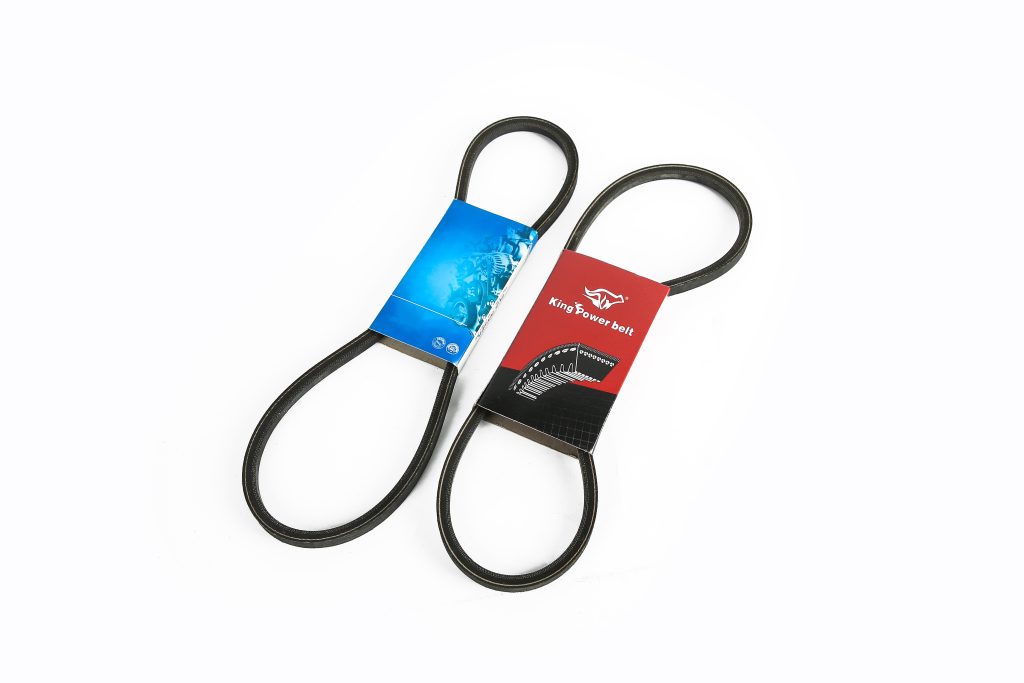
A wrapped V-belt is a traditional belt design featuring a protective fabric cover around the belt body.
This outer layer helps protect the internal structure and provides additional durability under harsh working environments.
Key characteristics of wrapped V-belts include:
- Strong resistance to dust and external contaminants
- Stable performance in heavy-duty applications
- Good durability under continuous operation
- Reliable grip between belt and pulley
Wrapped V-belts are commonly used in industrial machinery, agricultural equipment, and general mechanical drives.
What Is a Cogged V-Belt?
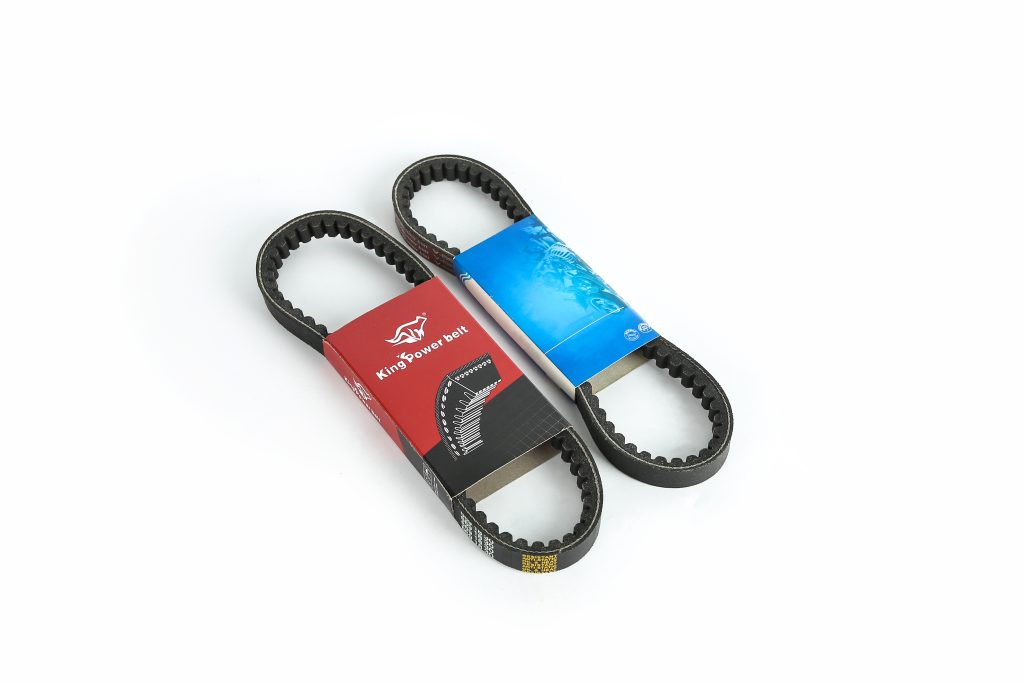
A cogged V-belt, also known as a notched V-belt, features a series of molded notches or grooves on the inner surface of the belt.
These cogs allow the belt to bend more easily around pulleys, reducing bending resistance and improving flexibility.
Advantages of cogged V-belts include:
- Higher transmission efficiency
- Better flexibility for small pulley systems
- Reduced heat generation during operation
- Improved performance at higher speeds
Cogged V-belts are widely used in automotive systems, compressors, and high-speed machinery.
Key Differences Between Wrapped and Cogged V-Belts
| Feature | Wrapped V-Belt | Cogged V-Belt |
|---|---|---|
| Structure | Smooth wrapped outer layer | Notched inner surface |
| Flexibility | Standard flexibility | Higher flexibility |
| Efficiency | Good | Higher transmission efficiency |
| Heat Dissipation | Standard | Better heat dissipation |
| Typical Applications | Industrial machinery, agriculture | Automotive systems, compact drives |
Which One Should You Choose?
The choice between wrapped and cogged V-belts depends on the operating conditions and system design.
- Wrapped V-belts are ideal for heavy-duty environments and applications where durability and resistance to external elements are important.
- Cogged V-belts are better suited for high-speed drives, compact pulley systems, and applications requiring higher efficiency.
Selecting the right belt type ensures stable performance and helps extend the lifespan of both the belt and the equipment.
Conclusion
Both wrapped V-belts and cogged V-belts play important roles in modern power transmission systems.
Understanding their structural differences and performance characteristics allows users to select the most suitable solution for their machinery.
Contact Us
Email: winnie@junweiparts.com
WhatsApp: +86 18968401899
Website: www.junweiparts.com