How to Choose the Right Belt for Your Application
Selecting the right power transmission belt is essential for ensuring efficient operation, reducing maintenance costs, and extending equipment life.
With various types of belts available, understanding key selection factors can help you make the best choice for your specific application.
Understand Your Application Requirements
Before selecting a belt, it is important to evaluate the working conditions:
- Load and power requirements
- Operating speed
- Pulley size and configuration
- Working environment (temperature, dust, humidity)
These factors directly influence the type and specification of the belt required.
Choose the Right Belt Type
Different belt types are designed for different applications:
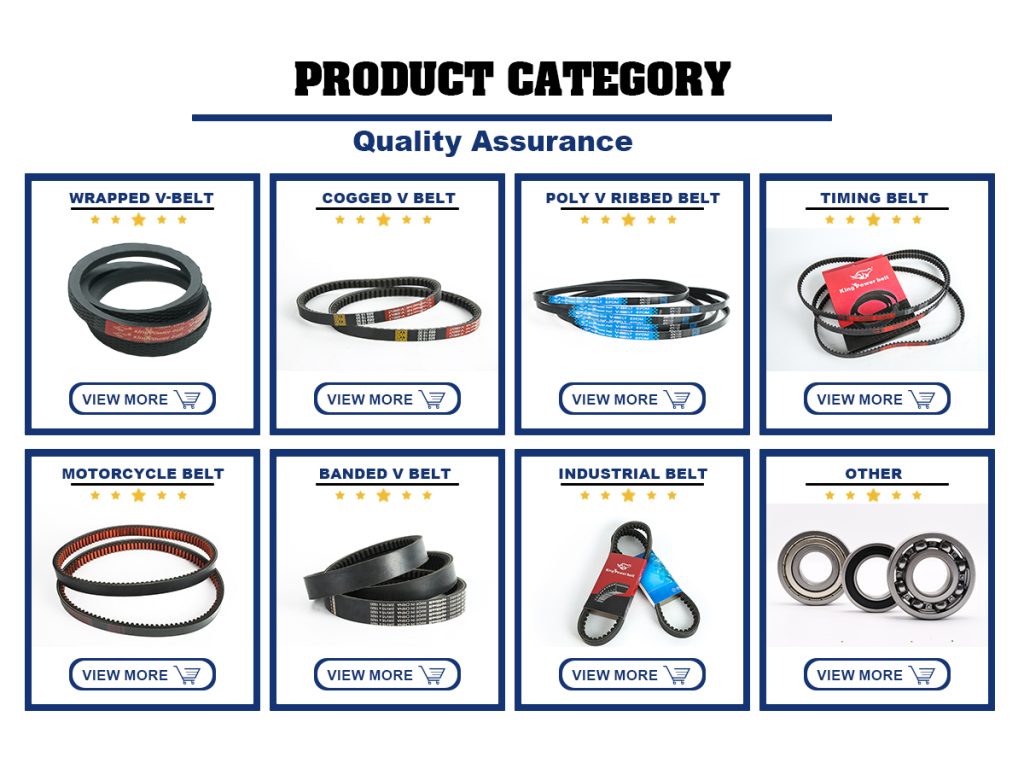
- V-belts – Suitable for general industrial and agricultural machinery
- Cogged V-belts – Ideal for higher efficiency and smaller pulley systems
- Ribbed belts (Poly V belts) – Best for automotive and multi-pulley systems
- Timing belts – Used for precise synchronous transmission
Choosing the correct belt type ensures stable performance and efficient power transmission.
Consider Material and Quality
Material plays a key role in belt performance and durability.
High-quality belts made from advanced materials such as EPDM offer better resistance to heat, wear, and aging.
Reliable manufacturing and strict quality control help ensure consistent performance under demanding conditions.
Check Belt Size and Compatibility
Accurate belt size and proper matching with pulleys are critical.
Incorrect sizing can lead to slippage, excessive wear, or even system failure.
Always verify specifications such as length, width, and profile before installation.
Evaluate Operating Environment
Environmental conditions can significantly affect belt performance.
- High temperatures require heat-resistant materials
- Dusty environments demand durable and protected designs
- Exposure to oil or chemicals requires suitable material selection
Selecting the right belt for the environment helps extend service life.
Work with a Reliable Supplier
An experienced manufacturer can provide technical support and help you select the most suitable belt for your needs.
Professional guidance ensures better performance and reduces the risk of incorrect selection.
Conclusion
Choosing the right belt involves understanding your application, selecting the appropriate type, and ensuring quality and compatibility.
With the right selection, power transmission systems can operate more efficiently and reliably.
Contact Us
Email: winnie@junweiparts.com
WhatsApp: +86 18968401899
Website: www.junweiparts.com